No. 1The Case for a Room That Does Less
Every few years, some design editor declares the formal living room dead. Open-plan living killed it, they say. So did the family room, the great room, the "we just want to feel casual" ethos that swept through interiors sometime around the early 2000s and never fully left. Walls came down. Furniture arranged itself around televisions. The idea of a room you didn't actually use started to feel faintly Victorian — or worse, pretentious.
I disagree. I have a formal living room, and I will defend it.
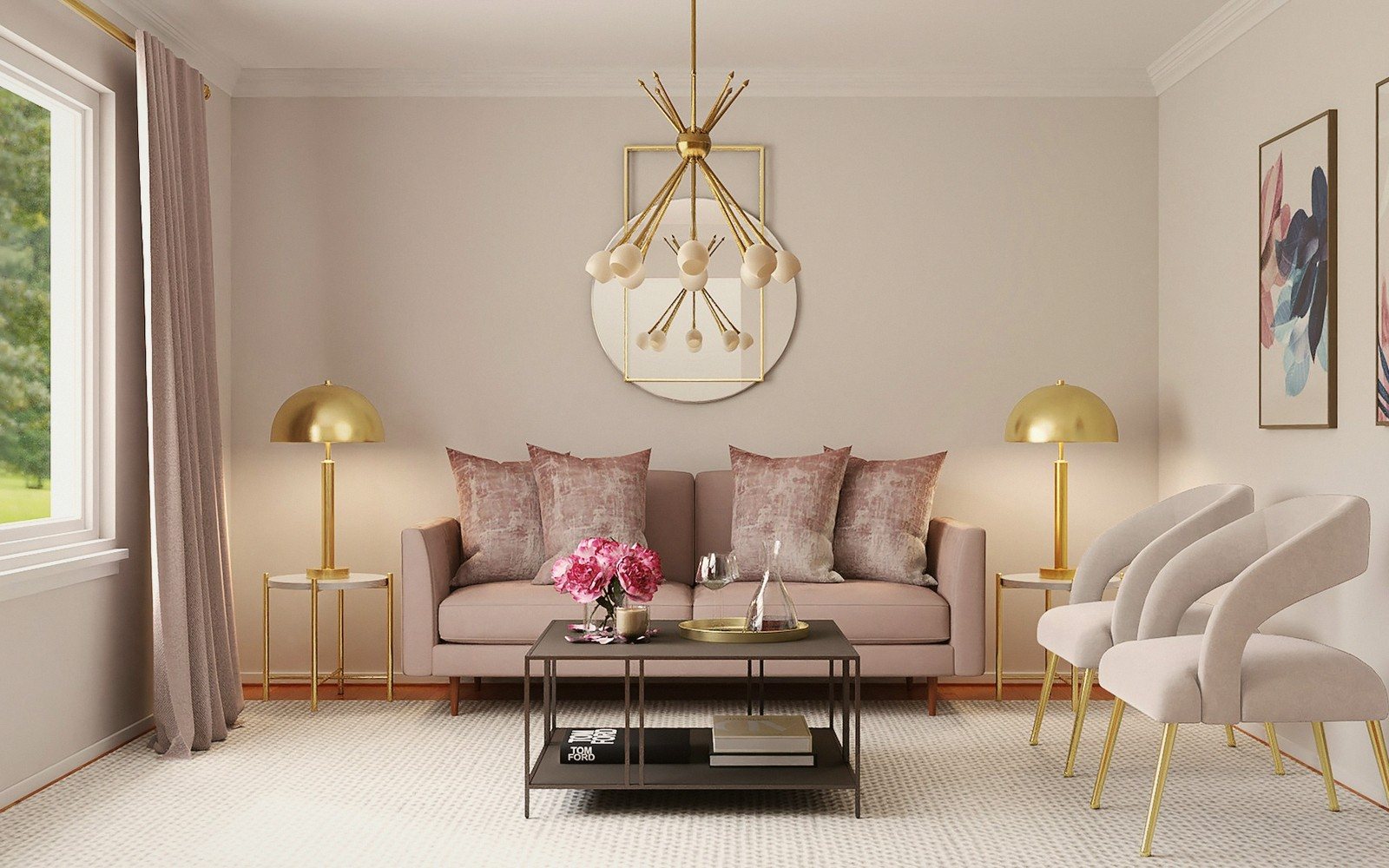
Mine has a sofa nobody slumps on, a coffee table with actual books (not stacked for aesthetics — read), two chairs positioned for conversation rather than screen-watching, and a lamp that casts the kind of light that makes everyone look like they've been on a restorative holiday. Nobody eats in there. Nobody charges their phone in there. The television is elsewhere. It is, by contemporary standards, aggressively useless — and it is my favourite room in the house.
It is, by contemporary standards, aggressively useless — and it is my favourite room in the house.
No. 2A Boundary With Upholstery
Here's what the anti-formal contingent misses: a room that isn't for everything is a room that's for something. Mine is for the kind of conversation that requires a drink and a proper seat. For the friend who arrives in a crisis and needs somewhere quiet and deliberately separate from the clatter of ordinary life. For the moment when the evening turns from dinner into talking, really talking, and you want a room that holds that without distraction.
That is not nothing. That is, arguably, civilisation.
The formal living room also does something practical, which is that it protects the rest of the house. When there's a room that exists to receive people — that's always presentable, always composed — you can close the kitchen door, redirect guests without apology, and maintain the fiction that you live beautifully even when the remainder of the house is telling the truth. This is not deception. This is hospitality. Ask any French household that's maintained the distinction between the salon1 and everyday life for generations.
There's also an argument from aesthetics that I find genuinely compelling. Most rooms in a home are worked hard. The kitchen counter absorbs the chaos of every meal. The bedroom sees you at your least managed. The bathroom doesn't bear thinking about. A formal sitting room is where you get to exercise taste without it being immediately dismantled by function. The rug stays rug-coloured. The cushions stay where you put them. The flowers last because nobody's walking past them fifteen times a day. It's the one room in the house that looks, consistently, like the version of yourself you'd like to be hosting from.
I recognise this sounds aspirational to the point of absurdity if you're working with a one-bedroom flat and the concept of a "spare room" is a fantasy. Square footage is not a moral failing, and the one-room reset is real. But for anyone who has the option and has talked themselves out of it in the name of practicality or fear of seeming stiff: reconsider.
No. 3The Permission You Didn't Know You Needed
What I think bothers people about the formal living room, really, is the permission problem. We've been told so thoroughly that rooms should be maximally functional, maximally casual, maximally lived in — as though any space that isn't earning its keep through constant use is a luxury we haven't justified. Rooms should work. Space should perform.
But not everything needs to perform constantly. Some things are allowed to simply be, and to be beautiful, and to be ready when you need them. A room that you walk past on an ordinary Tuesday and feel briefly, quietly pleased about — that is earning its keep. That is doing something real.
A formal living room is a room that says: some moments deserve a better setting. The ones worth having usually do.
- salon — French term for a formal reception room; a sitting room kept for guests and conversation