No. 1The Edit Nobody Does for You
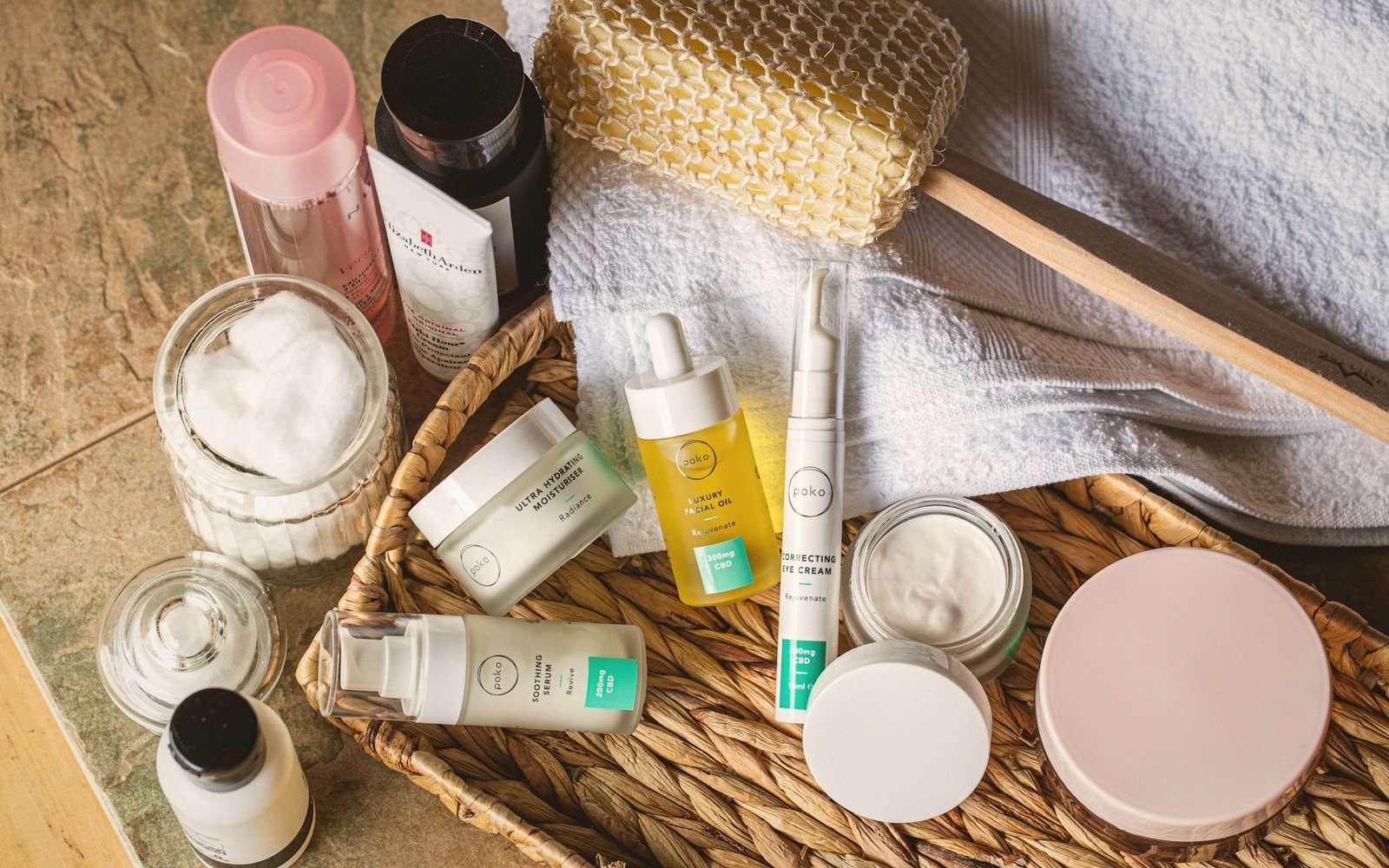
At some point the bathroom shelf stopped being a routine and became an argument. Serums that contradict each other, a toner you're not sure you need, three moisturisers bought in different seasons under different levels of optimism. All of it promising something. Most of it sitting there, half-used, quietly winning.
Here is what I've learned from a long and expensive education in buying too much: the products doing real work are almost never the new ones. They're the boring ones. A broad-spectrum SPF. A gentle cleanser that doesn't strip. A moisturiser that actually suits your skin. Retinol or a good acid, if your skin tolerates it — one, not both, not six variations. That's the core. Everything else is ambience.
The beauty industry's business model depends on your belief that you are one product away from the skin you want. You are not. The gains are at the margin; the foundation is the routine, the sleep, the water, the sun protection you've been wearing for years. The expensive serum launched in September is not undoing the work the SPF has been doing since spring.
Editing the shelf is oddly hard. Products feel like potential. Throwing one out feels like giving up. But if you've genuinely committed to the basics, the rest is a collection habit dressed up as self-care.
The best version of your skin is not buried under the products you haven't tried yet. It's waiting for you to stop adding things and start actually using the few that work.